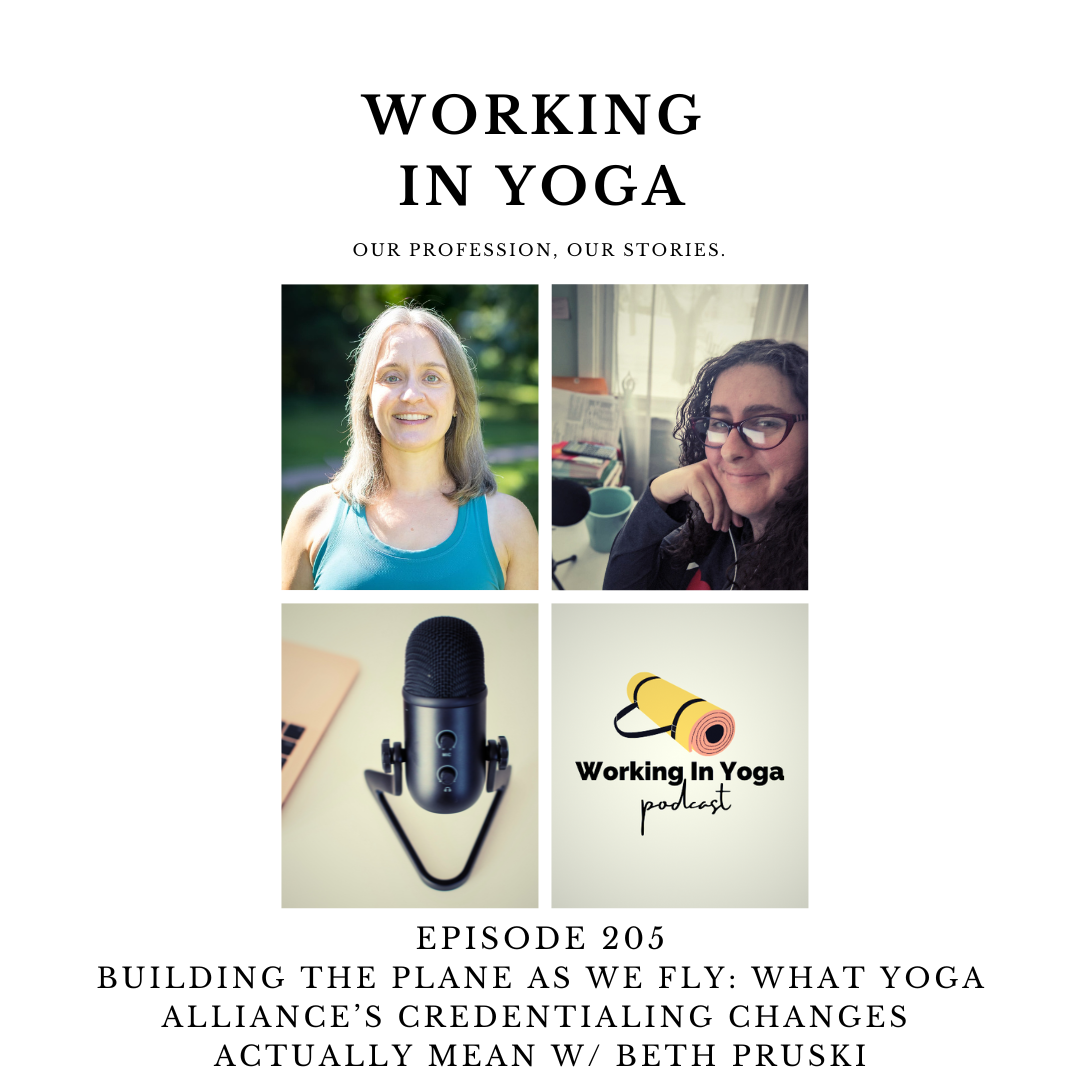
Rebecca has been asking subject-matter experts what they make of the changes happening at Yoga Alliance — and this conversation with Beth Pruski is one you don’t want to miss. Beth knows credentialing inside and out, and she also teaches yoga, which makes her exactly the right person to bring to this table. Together, they walk through what a legitimate credentialing process actually looks like — third-party assessment, job analysis, transparency about who wrote the competency tests, how the exam is built and administered, and whether we’re checking a box or genuinely measuring something meaningful. They talk about the Institute for Credentialing Excellence (ICE — the credentialing standards body, not the other one) as the gold standard for evaluating whether an organization is ready to operate as a credentialing body, and what it means that Yoga Alliance is moving in this direction without full transparency about the process. They also get into who “the public” actually is in this context — just students, or also employers? — and why the communications plan matters as much as the credential itself. And they discuss what options exist outside the yoga organizations altogether, including what a credential from something like ACE signals and why the perception of rigor matters. This is one piece of a much bigger conversation our industry needs to be having. The more informed voices at the table, the better.
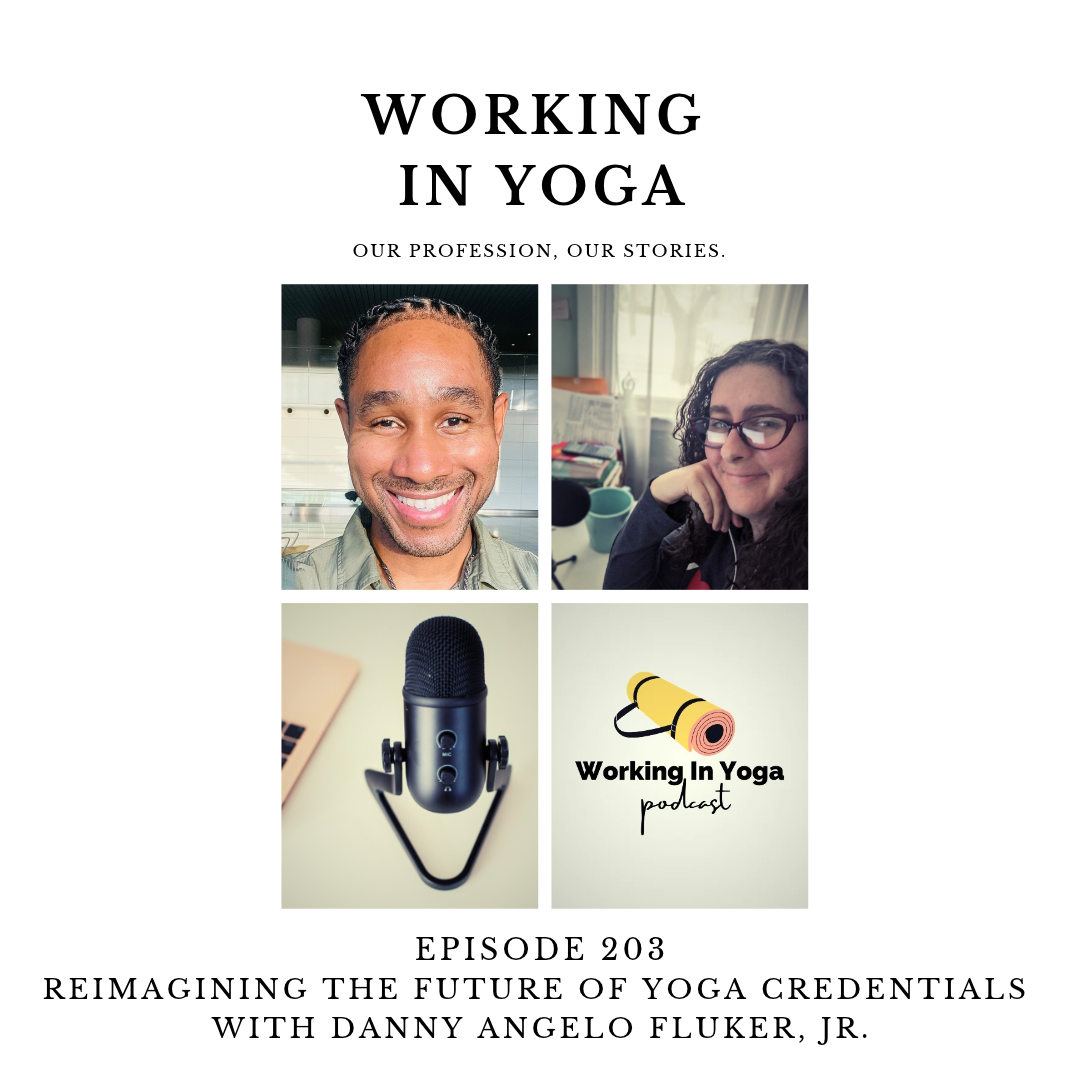
Read MoreThis one is a thought spiral in the best possible way. Rebecca sits down with Danny Angelo Fluker Jr. — futurist thinker, yoga professional, and author of a white paper that reimagines yoga credentialing from the ground up. What if we owned our own credentials instead of being beholden to a single organization? What if we gave ourselves permission to build something entirely new, rather than patching what’s broken? Danny brings a genuinely different frame to the conversation: futurism not as fantasy, but as a practical tool for imagining systems that actually serve us. They get into decentralized credentialing, the tension between dealing with today’s reality and building toward a different future, how to quiet the objection voices long enough to think clearly, and why bravery sometimes just looks like asking for feedback. They also talk about social media freezing us in time, the gift of holding each other compassionately as we change, and why this moment — right now — is exactly when new things get built. Danny also shares about Black Boys Om’s donation project for healing circles in Atlanta. Check out Danny’s work at dannyspeakspeace.com and blackboysom.org, and follow him on Substack.
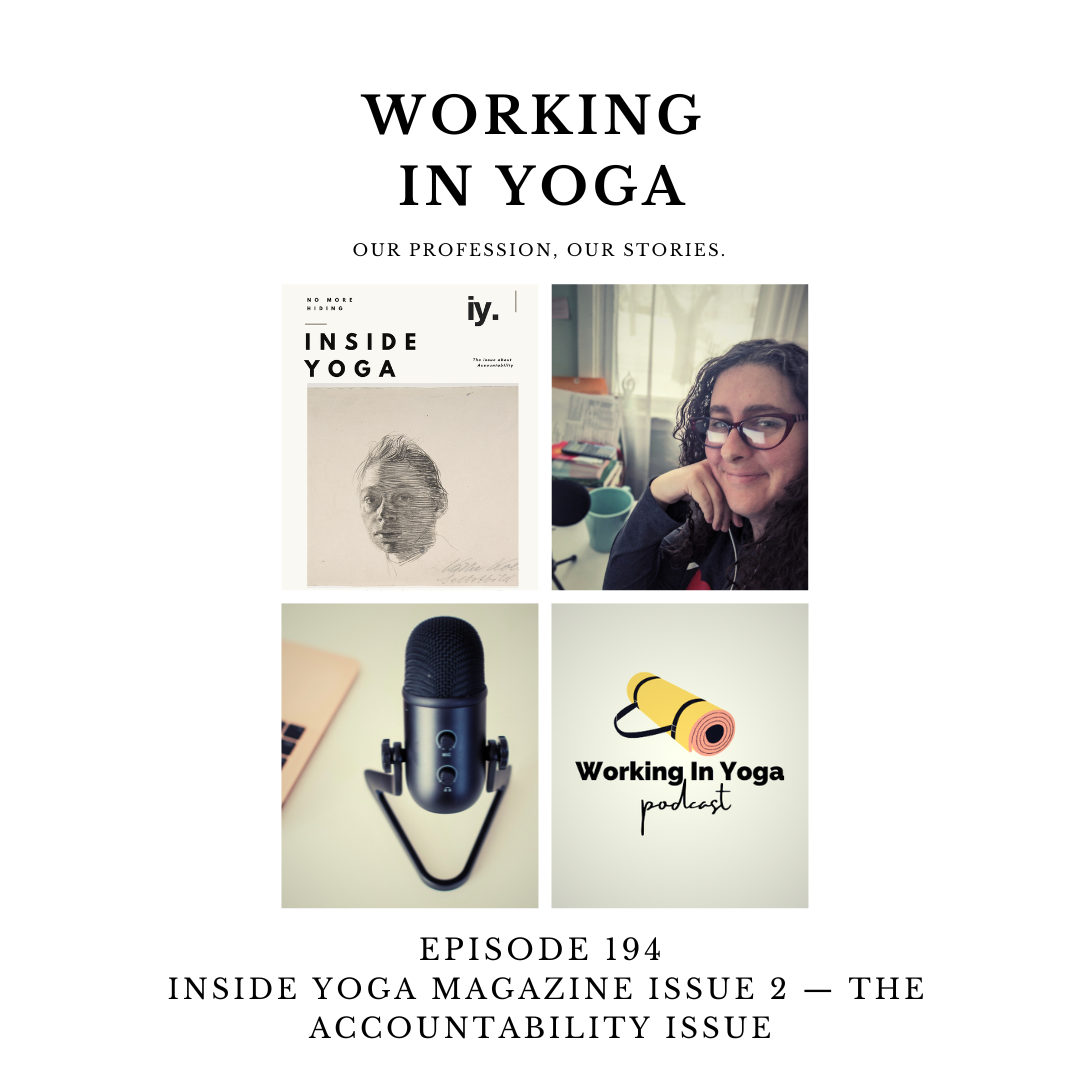
Read MoreAccountability is one of the most overused and underdelivered words in the yoga industry. A soft-focus apology post is not accountability. A teacher quietly pulled from the schedule with no explanation is not accountability. Issue 2 of Inside Yoga Magazine — The Accountability Issue — is built around one argument: that accountability in yoga is performed rather than practiced, and the public has noticed. In this solo episode, Rebecca walks through what's inside. Magnolia Zuniga's unflinching piece on yoga's predator problem and the deflection tactics the community reaches for every time. Nana Amoako-Anin bringing a Truth and Reconciliation framework to the question of what repair actually requires. The Real Hours Project data sitting alongside parallel research from Singapore, converging on the same structural problem from opposite sides of the world. The grievance processes at Yoga Alliance and IAYT examined honestly for what they produce. And Rebecca's own most personal writing yet — four myths yoga professionals carry, and what each one costs. The issue closes with a story about lying to a man in a grocery store in 2013, and what it took to figure out why. This is what the magazine is for.
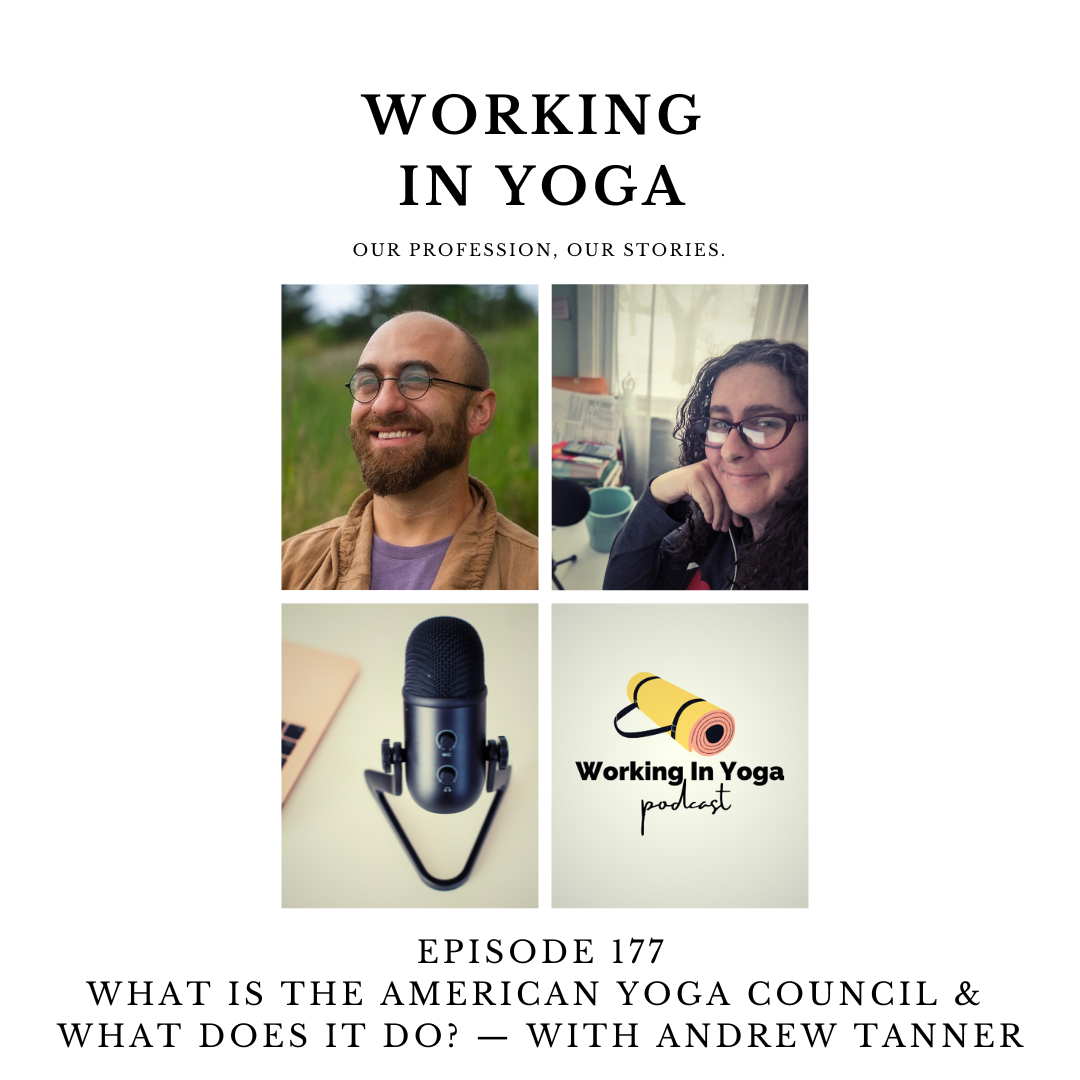
Read MoreA lot of you have had questions about the American Yoga Council — what it is, what it does, and whether it's worth your attention. So Rebecca went straight to the source. AYC founder and CEO Andrew Tanner joins the podcast for a straightforward conversation about what the organization is building and why: certification vs. registry, accountability reporting, access to data, retirement funds, and what it means to advocate for yoga professionals at an institutional level. Rebecca isn't doing gotcha journalism here — the goal is to give you the information you need to make your own call. She also gets into something she's been developing for the magazine: a theory about why yoga professionals are so cynical about organizations in the first place, rooted in counter-culture identity, 2010s individualism, and the specific kind of betrayal that comes from entering an industry you believed would be different. This is a conversation about whether institutions can actually serve us — and what it would take to find out.
Read MoreThe yoga industry tells a story about the devoted teacher who never stops — who teaches into their seventies, their eighties, who is on the mat until the very end. We tell it like it's a spiritual achievement. Nobody asks whether those teachers had a choice. In this episode we name the open secret the industry has been romanticizing for decades: for a lot of those teachers, it wasn't only devotion. It was the absence of a retirement account. And an industry that conflates financial precarity with spiritual purity has a serious problem that no amount of reframing can fix.
Read MoreThe yoga world's commitment to non-judgment, positive intent, and non-attachment is genuinely beautiful in a practice. In a profession, those same values have been used to silence legitimate grievances, protect institutions that should be held accountable, and make yoga professionals carry a collective harm privately that should have been named publicly. In this episode we say plainly what the industry has never said: you are allowed to feel taken advantage of. Because in many cases, you were. And naming that is not unspiritual. It is honest. And honesty is also a practice.
Read MoreThe organizations governing the yoga profession care deeply about the practice. What they have never demonstrated a meaningful commitment to is the professional welfare of the people teaching it. In this episode we make a distinction nobody in this industry is making out loud — and explain why it changes everything about what you should expect from these institutions, what you're actually paying for, and what needs to be built.
Read MoreNobody talks about debt-to-income ratios in the yoga world. Stevie Inghram does. In Part 1 of this two-part conversation, Rebecca sits down with naturopathic doctor and yoga therapist Dr. Stevie Inghram to dig into some of the most under-discussed structural problems in the yoga and holistic health professions — including whether it's even ethical to keep training people at current income levels, how poor working conditions quietly erode professional standards, and what it would take to build an organization that actually advocates for the people doing this work, not just the practice itself. If you've ever felt like the system wasn't built for you, this conversation will help you understand why — and start you thinking about what comes next.
Read MoreThe organizations that set our standards, control our credentials, and claim to speak for yoga professionals are mostly run by people who have never built a career on the mat. In this episode, we name what that actually means — why it explains so much of what feels off, what you should stop expecting from these institutions, and what needs to change.
Read More