Rebecca has been asking subject-matter experts what they make of the changes happening at Yoga Alliance — and this conversation with Beth Pruski is one you don’t want to miss. Beth knows credentialing inside and out, and she also teaches yoga, which makes her exactly the right person to bring to this table. Together, they walk through what a legitimate credentialing process actually looks like — third-party assessment, job analysis, transparency about who wrote the competency tests, how the exam is built and administered, and whether we’re checking a box or genuinely measuring something meaningful. They talk about the Institute for Credentialing Excellence (ICE — the credentialing standards body, not the other one) as the gold standard for evaluating whether an organization is ready to operate as a credentialing body, and what it means that Yoga Alliance is moving in this direction without full transparency about the process. They also get into who “the public” actually is in this context — just students, or also employers? — and why the communications plan matters as much as the credential itself. And they discuss what options exist outside the yoga organizations altogether, including what a credential from something like ACE signals and why the perception of rigor matters. This is one piece of a much bigger conversation our industry needs to be having. The more informed voices at the table, the better.
Read MoreAccountability is one of the most overused and underdelivered words in the yoga industry. A soft-focus apology post is not accountability. A teacher quietly pulled from the schedule with no explanation is not accountability. Issue 2 of Inside Yoga Magazine — The Accountability Issue — is built around one argument: that accountability in yoga is performed rather than practiced, and the public has noticed. In this solo episode, Rebecca walks through what's inside. Magnolia Zuniga's unflinching piece on yoga's predator problem and the deflection tactics the community reaches for every time. Nana Amoako-Anin bringing a Truth and Reconciliation framework to the question of what repair actually requires. The Real Hours Project data sitting alongside parallel research from Singapore, converging on the same structural problem from opposite sides of the world. The grievance processes at Yoga Alliance and IAYT examined honestly for what they produce. And Rebecca's own most personal writing yet — four myths yoga professionals carry, and what each one costs. The issue closes with a story about lying to a man in a grocery store in 2013, and what it took to figure out why. This is what the magazine is for.
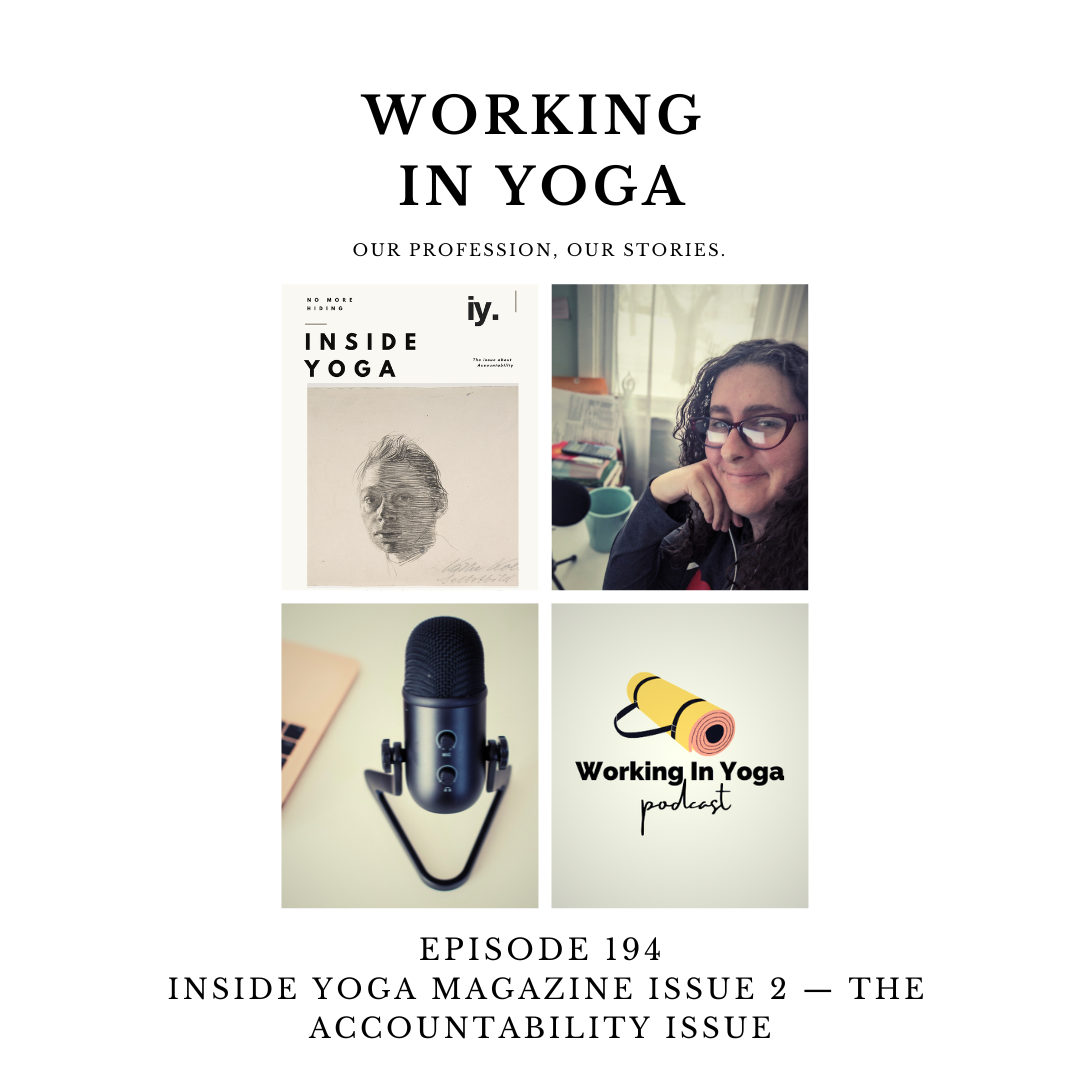
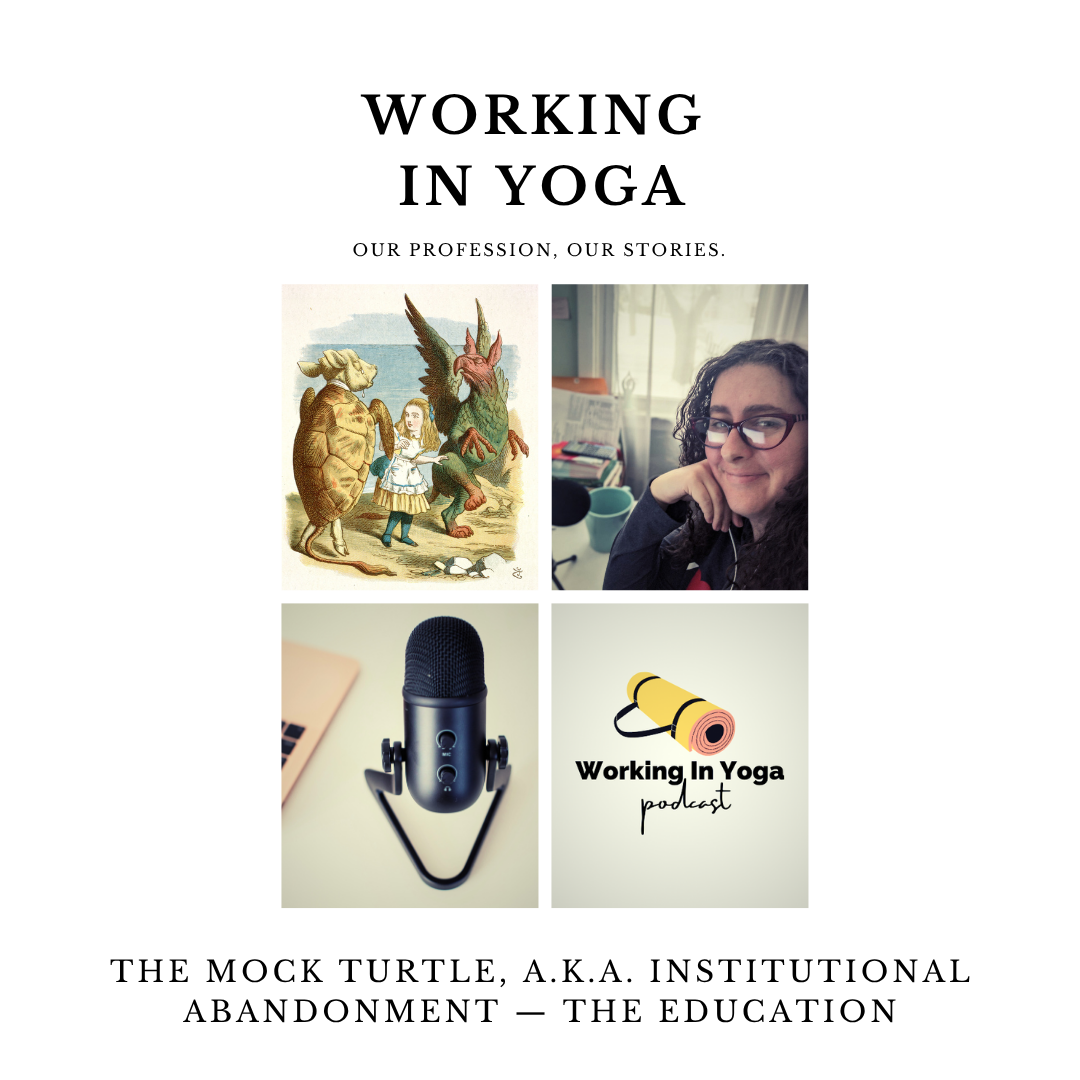
Read MoreThe Mock Turtle’s school taught Reeling and Writhing, and Ambition, Distraction, Uglification, and Derision — taught by the Tortoise, because he taught them. It’s absurd. It’s also, this episode argues, an almost exact map of how yoga credentialing works.
This episode looks honestly at what credentials actually prepare working teachers for, who’s selling them, and what it means that the organizations selling the credentials have signaled — in their own language — that building jobs isn’t their job.
Read MoreIn this episode of Working In Yoga, we take the conversation global with Rebel Tucker, Vice President of Yoga Australia. Rebel shares how Yoga Australia actively incorporates member feedback, supports both teachers and students, and maintains “common sense standards” that protect practitioners and the public alike.
We explore what it looks like when a professional organization truly represents its community, why connection among yoga professionals is essential, and what the U.S. yoga industry can learn from international models. We also dive into big-picture questions about yoga’s place in wellness vs. healthcare systems, training standards around the world, and whether the future of the industry lies in one major organization or many niche ones.
This episode is an invitation to think beyond borders — and imagine what’s possible when yoga professionals are heard, supported, and connected.
Read More